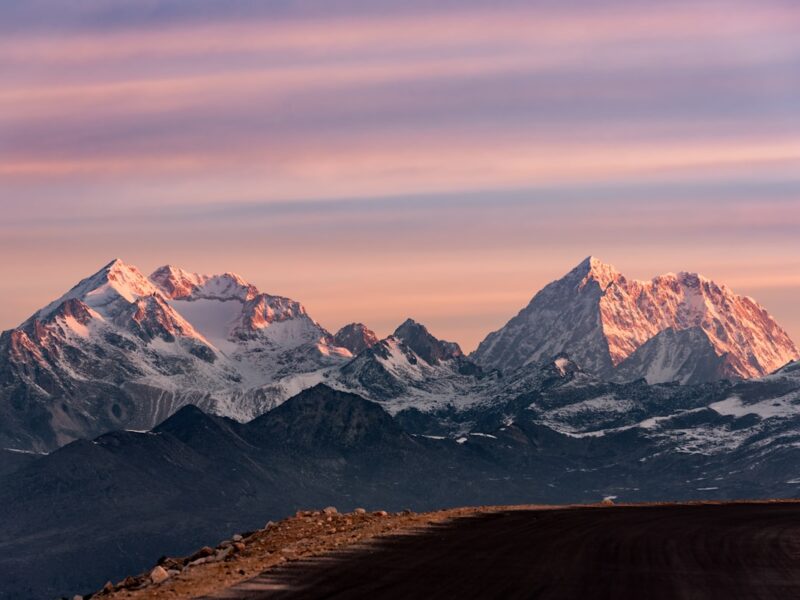
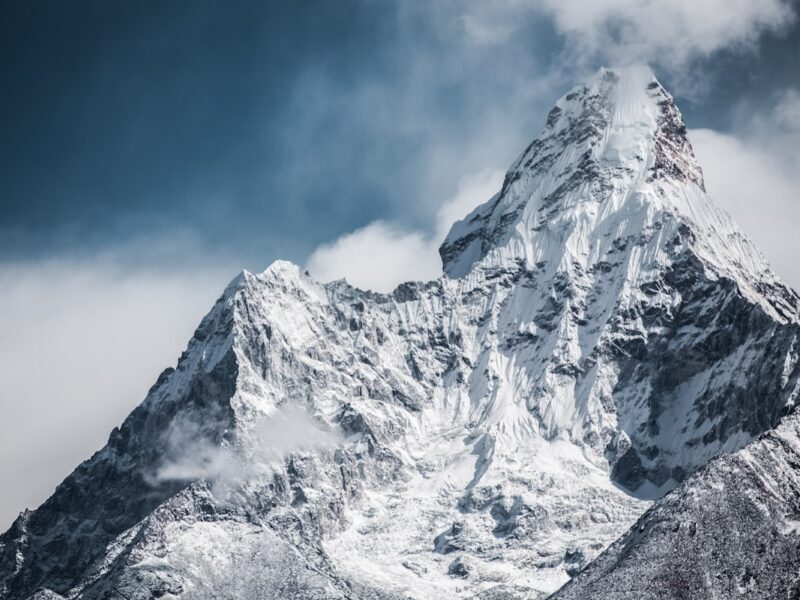
Nepal isn’t just about trekking. Between the snow-capped Himalayas and the steaming jungles of the Terai, this small country packs an extraordinary density of adventure activities in Nepal — from white water rafting down Himalayan rivers to paragliding above Pokhara’s lakeside valley, bungee jumping into gorges deeper than anything in New Zealand, and jungle safaris where you’ll track one-horned rhinos on elephant back.
Whether you’re a dedicated adrenaline seeker or a family looking for something beyond temple visits, Nepal delivers. This guide covers every major adventure activity available in Nepal with honest details on costs (in both USD and INR), difficulty levels, best locations, optimal seasons, and practical booking advice.
The Top Adventure Activities in Nepal — Quick Comparison
| Activity | Best Location | Best Season | Cost (USD) | Thrill Level | Fitness Required |
|---|---|---|---|---|---|
| White Water Rafting | Trisuli, Bhote Koshi | Oct–Nov, Mar–May | $30–150/day | ★★★★ | Low–Medium |
| Paragliding | Pokhara (Sarangkot) | Oct–Apr | $70–110 | ★★★★ | None |
| Bungee Jumping | The Last Resort / Kushma | Year-round | $85–120 | ★★★★★ | None |
| Zip Lining | Pokhara | Year-round | $35–55 | ★★★ | None |
| Canyoning | Jalbire (near Kathmandu) | Oct–May | $65–120 | ★★★★ | Medium |
| Mountain Biking | Kathmandu Valley, Pokhara | Oct–May | $25–80/day | ★★★ | Medium–High |
| Jungle Safari | Chitwan, Bardia | Oct–Mar | $40–120/day | ★★ | Low |
| Ultralight Flight | Pokhara | Oct–Apr | $100–200 | ★★★ | None |
| Mountain Flight | Kathmandu | Oct–May | $180–250 | ★★ | None |
| Rock Climbing | Nagarjun, Hattiban | Oct–May | $40–80 | ★★★ | Medium |
White Water Rafting — Riding Nepal’s Himalayan Rivers
Nepal’s rivers are fed by Himalayan glaciers and monsoon rains, creating some of the best white water rafting in the world. The country has rivers ranging from gentle Grade II floats perfect for families to terrifying Grade V rapids that challenge even professional kayakers.
Trisuli River — The Classic Day Trip
The Trisuli is Nepal’s most popular rafting river, and for good reason: it’s accessible (the put-in point is on the Kathmandu-Pokhara highway), offers consistent Grade III rapids with a few Grade III+ sections, and works as either a day trip or a 2-day adventure with overnight camping on a sandy beach.
Cost: $30–50 (₹2,500–4,200) for a day trip from Kathmandu or Pokhara, including transport, equipment, guide, and lunch. Two-day trips with camping: $80–120 (₹6,700–10,000).
Best for: First-time rafters, families with kids (minimum age 12 for most operators), groups looking for a fun day out between Kathmandu and Pokhara.
Bhote Koshi — The Adrenaline Rush
If the Trisuli feels too gentle, the Bhote Koshi will fix that. This steep, powerful river near the Tibetan border delivers Grade IV–V rapids in a narrow gorge. The two-day trip covers just 26 km but packs more adrenaline per kilometre than almost any river in Asia. You’ll camp beside the river and raft through rapids with names like “God’s House” and “Rodeo.”
Cost: $100–150 (₹8,400–12,600) for a 2-day trip from Kathmandu (3 hours drive to the put-in near Barabise).
Best for: Experienced rafters or thrill-seekers. Not recommended for children or nervous first-timers. Minimum age 16.
Sun Koshi — The Multi-Day Expedition
The Sun Koshi is Nepal’s legendary multi-day river expedition — 270 km over 8–10 days from the mountains to the Terai plains. National Geographic once named it one of the top 10 river journeys on Earth. You’ll camp on remote beaches, raft through progressively bigger rapids (up to Grade V), and experience a Nepal that tourists rarely see.
Cost: $350–500 (₹29,000–42,000) for 8–10 days, all-inclusive.
Best for: Dedicated adventure travellers with 8+ days to spare. This is not a casual day trip — it’s an expedition.
Kali Gandaki — Cultural Rafting
The Kali Gandaki combines Grade III–IV white water with stunning Himalayan scenery and access to traditional villages along the Annapurna foothills. The 3-day trip from Nayapul to Ramdi Ghat is particularly scenic, with Dhaulagiri and Annapurna visible from the river.
Cost: $150–250 (₹12,600–21,000) for 3 days.
Paragliding in Pokhara — Flying with Himalayan Views
Pokhara is one of the world’s top paragliding destinations, and it’s not hard to see why. You launch from Sarangkot hill (1,592m) above the city, and within seconds you’re soaring over the Seti River gorge with Machhapuchhare (Fishtail), Annapurna South, and the entire Annapurna range spread across the northern horizon. Below you, Phewa Lake glitters in the valley.
Tandem flights require zero experience — your pilot handles everything while you hang below and take in the view (and selfies). Flights last 20–30 minutes and land at a designated spot near the lakeside.
Cost: $70–90 (₹5,900–7,560) for a standard tandem flight. $100–130 (₹8,400–10,920) for a longer “high flight” with acrobatic manoeuvres (wing-overs, spirals). GoPro video/photo packages add $20–30.
Season: October to April offers the most stable thermals and clearest views. December–February mornings are spectacular. Avoid monsoon — paragliding companies shut down during heavy rain.
Best for: Everyone. No fitness required. Minimum weight limits vary by operator (usually 30 kg minimum, 100–110 kg maximum). Children as young as 5 can fly tandem.
Read our Pokhara travel guide for more on what to do in this lakeside city.
Bungee Jumping — Nepal’s Two World-Class Jumps
The Last Resort Bungee (160m)
Nepal’s original bungee jump — and for years, one of the world’s highest commercial bungee sites. The jump platform sits on a suspension bridge over the Bhote Koshi river gorge, 160 metres above the churning water. The freefall lasts about 5 seconds before the cord catches you, and you’ll bounce back up with a view of the narrow canyon walls rushing past.
Location: 3 hours drive from Kathmandu toward the Tibetan border.
Cost: $85–100 (₹7,100–8,400). Transport from Kathmandu adds $15–25 (many operators include it).
Kushma Bungee (228m)
Opened in 2020, the Kushma bungee near Pokhara now holds the title of South Asia’s highest bungee jump. At 228 metres, the freefall is longer and more intense than The Last Resort. The jump site is on a suspension bridge over the Kali Gandaki gorge — the same gorge that’s the world’s deepest valley between Dhaulagiri and Annapurna.
Location: 2 hours drive from Pokhara.
Cost: $90–120 (₹7,560–10,080).
Best for: Anyone who wants to face their fear of heights in a spectacular setting. No fitness required — just courage. Weight limits: 40–120 kg for most operators.
Zip Lining in Pokhara
The Pokhara zip line was once the world’s longest, steepest, and fastest zip line. While it’s since been surpassed in some categories, it’s still an incredible ride — 1.8 km long, reaching speeds up to 120 km/h, with views of Annapurna and Machhapuchhare as you fly over the Seti River gorge. The entire ride takes about 2 minutes.
Cost: $35–55 (₹2,900–4,600). Combo packages with paragliding are popular and save 15–20%.
Best for: Anyone looking for a quick thrill. Less intense than bungee but still exciting. Minimum age typically 10 years.
Canyoning — Rappelling Down Waterfalls
Canyoning (or canyoneering) involves descending through river canyons using a combination of rappelling, jumping into pools, sliding down natural water chutes, and swimming. Nepal’s steep terrain and abundant waterfalls make it ideal for this sport.
Jalbire Canyon (Near Kathmandu)
The most popular canyoning destination in Nepal, about 4 hours from Kathmandu. The full descent includes 7 rappels, the longest being a 45-metre waterfall drop. You’ll get completely soaked, slide down natural rock slides, and jump into deep blue pools.
Cost: $65–120 (₹5,500–10,000) for a full day including transport, equipment, guides, and lunch.
Season: October to May. The water level is too high (and dangerous) during monsoon.
Best for: Adventure seekers with moderate fitness. You need to be comfortable in water and okay with heights. No prior rappelling experience needed — guides provide full instruction.
Mountain Biking — Exploring Nepal on Two Wheels
Nepal’s terrain — from Kathmandu Valley’s dirt trails to the high-altitude roads of the Annapurna region — is mountain biking paradise. The sport has grown rapidly in Nepal, with well-established rental shops, guide services, and mapped trails.
Kathmandu Valley Rides
The rim of the Kathmandu Valley offers single-track trails through forest, past medieval Newari villages, and along ridge lines with Himalayan views. Popular routes include the Shivapuri National Park descent, Nagarkot to Dhulikhel, and the Champadevi hill circuit.
Cost: $25–50 (₹2,100–4,200) per day for bike rental + guide. Quality hardtail mountain bikes rent for $15–30/day; full-suspension for $30–50/day.
Annapurna Circuit by Bike
For the truly adventurous, the Annapurna Circuit can be ridden (and pushed) on a mountain bike. This 15–20 day ride crosses the 5,416m Thorung La pass — you’ll carry or push the bike for the final sections. Not for beginners, but one of the world’s great bike-packing adventures.
Pokhara Area
The trails around Pokhara — Sarangkot descent, World Peace Pagoda circuit, and lakeside rides — offer excellent half-day and full-day options with lake and mountain views.
Best for: Active travellers who prefer two wheels to two feet. Range from gentle lakeside rides (anyone) to extreme single-track descents (experienced riders only).
Jungle Safari — Wildlife in Chitwan and Bardia
Nepal’s national parks in the southern Terai lowlands offer world-class wildlife experiences that rival East Africa for certain species. This is a very different kind of adventure from trekking — lush subtropical jungle instead of mountain peaks, and the thrill of tracking endangered animals at close range.
Chitwan National Park
Nepal’s most accessible national park and a UNESCO World Heritage Site. Chitwan is home to over 600 one-horned rhinoceros, Bengal tigers, gharial crocodiles, wild elephants, and over 500 bird species. Safari options include:
- Jeep safari: The best way to cover ground and spot wildlife. 3–4 hour drives through the park. $25–40 per person.
- Canoe ride: Drift down the Rapti River to spot gharials, marsh mugger crocodiles, and kingfishers. Often included in 2+ day packages.
- Walking safari: Guided walks through the jungle with a naturalist and armed guard. Intense — you might encounter rhinos or sloth bears at close range.
- Elephant-back safari: Controversial but still offered. Provides close access to rhinos in tall grasslands where jeeps can’t reach.
Cost: 2-night/3-day packages from $100–200 (₹8,400–16,800) per person including accommodation, meals, park fees, and activities. Budget lodges in Sauraha (the gateway village) offer even cheaper à la carte options.
Bardia National Park
For a wilder, less-touristed alternative, Bardia in western Nepal is twice the size of Chitwan with even lower tourist numbers. It has Nepal’s largest population of wild Bengal tigers and is also home to wild elephants, gangetic dolphins, and the elusive snow leopard’s lowland cousin, the clouded leopard.
Cost: Similar to Chitwan but getting there is harder — a 12-hour bus ride from Kathmandu or a flight to Nepalgunj plus a 4-hour drive.
Best for: Families, couples, nature lovers, birdwatchers. October to March is the best season — the dry winter months concentrate wildlife around water sources, making sightings easier.
Mountain Flights — See Everest Without Trekking
Don’t have 14 days for the Everest Base Camp trek? Mountain flights offer a 1-hour scenic flight from Kathmandu along the Himalayan range, getting close enough to Everest (and a dozen other 8,000m+ peaks) that you can see the summit from your window seat. Every passenger gets a window seat, and you’ll be invited into the cockpit for a photo with Everest in the background.
Cost: $180–250 (₹15,100–21,000) per person. Multiple airlines operate the route (Buddha Air, Yeti Airlines, Shree Airlines). Early morning departures (6–7 AM) offer the clearest views.
Season: October to May. Flights are cancelled in poor weather or low visibility — have a backup day.
Best for: Travellers short on time, elderly visitors who can’t trek, families with young children. Zero fitness required — you sit in a plane for an hour.
Ultralight Aircraft — Flying Over Pokhara
Ultralight flights from Pokhara airport take you on a scenic circuit over Phewa Lake, past Sarangkot, and toward the Annapurna range. Unlike paragliding (where you’re silent and wind-dependent), ultralights have an engine and can fly specific routes. It feels like a tiny personal aircraft with the cockpit open to the wind.
Cost: $100 (₹8,400) for 15 minutes, $150 (₹12,600) for 30 minutes, $200 (₹16,800) for 60 minutes. The 30-minute flight is the sweet spot — long enough to reach the mountains.
Best for: Aviation enthusiasts, photographers wanting aerial shots, anyone who wants something between paragliding and a mountain flight.
Rock Climbing and Via Ferrata
Nepal’s rock climbing scene is developing rapidly, with established crags near Kathmandu and newer routes opening around Pokhara.
Nagarjun Forest (Kathmandu)
The closest climbing to Kathmandu, with bolted sport climbing routes ranging from 5a to 7b (French grades). The limestone cliffs in Nagarjun Forest offer single-pitch routes in a jungle setting — you might spot deer while belaying.
Hattiban (Kathmandu Valley)
A newer climbing area on the southern rim of the Kathmandu Valley with routes from beginner to advanced. Some routes offer views of the valley floor and distant Himalayan peaks.
Cost: $40–80 (₹3,400–6,700) for a half-day guided climbing session including gear rental. Full-day sessions and multi-pitch routes available for experienced climbers.
Best Activities by Traveller Type
For Adrenaline Junkies
- Kushma Bungee — 228m freefall into the world’s deepest gorge
- Bhote Koshi Rafting — Grade IV–V rapids in a narrow canyon
- Canyoning at Jalbire — rappelling down 45-metre waterfalls
- Paragliding with aerobatics — wing-overs and spirals over Pokhara
For Families
- Chitwan Jungle Safari — rhino and bird spotting, suitable for all ages
- Trisuli River Rafting (Grade II–III) — kids 12+ can join
- Pokhara Paragliding — kids as young as 5 can fly tandem
- Mountain Flight — see Everest from a comfortable aircraft seat
For Couples
- Tandem Paragliding at sunset — flying over Phewa Lake as the mountains glow
- 2-day Trisuli Rafting + camping — riverside camping under the stars
- Ultralight flight over Pokhara — private aerial tour of the valley
- Walking safari in Bardia — intimate wildlife encounters without the crowds
For Budget Travellers
- Trisuli day rafting — from $30 per person
- Pokhara zip line — $35 for a 2-minute rush
- Mountain biking in Kathmandu Valley — $25/day with bike and guide
- Chitwan budget safari — $100 for a 2-night/3-day package
When to Do Adventure Activities in Nepal — Season Guide
Nepal’s adventure calendar follows the same seasonal pattern as trekking. For the complete picture, read our best time to visit Nepal guide.
October–November (peak season): Best overall conditions for nearly every activity. Clear skies, warm days, low river levels for safer rafting, and excellent thermals for paragliding. Book popular activities (paragliding, bungee) 1–2 days in advance.
March–May (spring): Great for everything. Warmer than autumn, slightly hazier. River levels start rising in late May with pre-monsoon rain. Good paragliding thermals.
December–February (winter): Cold mornings but clear skies. Paragliding and mountain flights are excellent. Rafting is cool but doable (Trisuli is Grade II in winter — very gentle). Bungee and zip line operate year-round.
June–September (monsoon): Rafting is at its most exciting (highest water levels, biggest rapids) but also most dangerous. Paragliding shuts down. Bungee and zip line operate on clear days. Chitwan is very hot and wet. Not recommended for most activities.
How to Book Adventure Activities in Nepal
From Kathmandu
Thamel (the tourist district) has dozens of adventure booking agencies. Walk in, compare prices, and book for the next day. Reputable operators include paddle Nepal, GRG Adventure Kayaking, and Borderlands Resort (for The Last Resort bungee). Always check that your operator has proper safety equipment, trained guides, and valid licenses.
From Pokhara
Lakeside is the hub for paragliding, zip lining, and ultralight flights. During peak season, book paragliding at least one day in advance. Blue Sky Paragliding, Sunrise Paragliding, and Frontiers Paragliding are well-established operators.
From India
Indian travellers can pre-book most activities online through tour operators or book on arrival. No visa is required for Indian citizens — just carry your passport or Voter ID. For the complete Nepal entry guide, read our Nepal travel guide.
Combining Activities with Trekking
Many travellers combine trekking with one or two adventure activities for a well-rounded Nepal trip. Here are some popular combos:
- EBC trek + Mountain Flight: If weather blocks views during your trek, the mountain flight on your return to Kathmandu guarantees Everest sightings.
- Poon Hill trek + Paragliding: Trek for 4 days, then fly over the same mountains you just walked through. The contrast is incredible.
- Any Annapurna trek + Trisuli Rafting: The Trisuli River is on the road between Kathmandu and Pokhara — do a rafting day trip on your transfer day.
- Langtang trek + Chitwan Safari: Mountains and jungle — the two sides of Nepal in one trip. Chitwan is a 6-hour drive from Kathmandu.
- ABC trek + Kushma Bungee: Both are accessible from Pokhara. Do the bungee after your trek as a grand finale.
For complete trekking information, start with our comprehensive trekking in Nepal guide.
Nepal’s adventure scene goes far beyond trekking. Whether you want the freefall rush of bungee jumping into the world’s deepest gorge, the serene glide of paragliding over a Himalayan valley, or the primal thrill of tracking rhinos through jungle grass, this country delivers experiences that stay with you long after you’ve gone home.
Start planning your adventure trip with our comprehensive Nepal travel guide, and when you’re ready to book, reach out to our team for a customised itinerary that combines the activities, treks, and destinations that match your pace and interests.