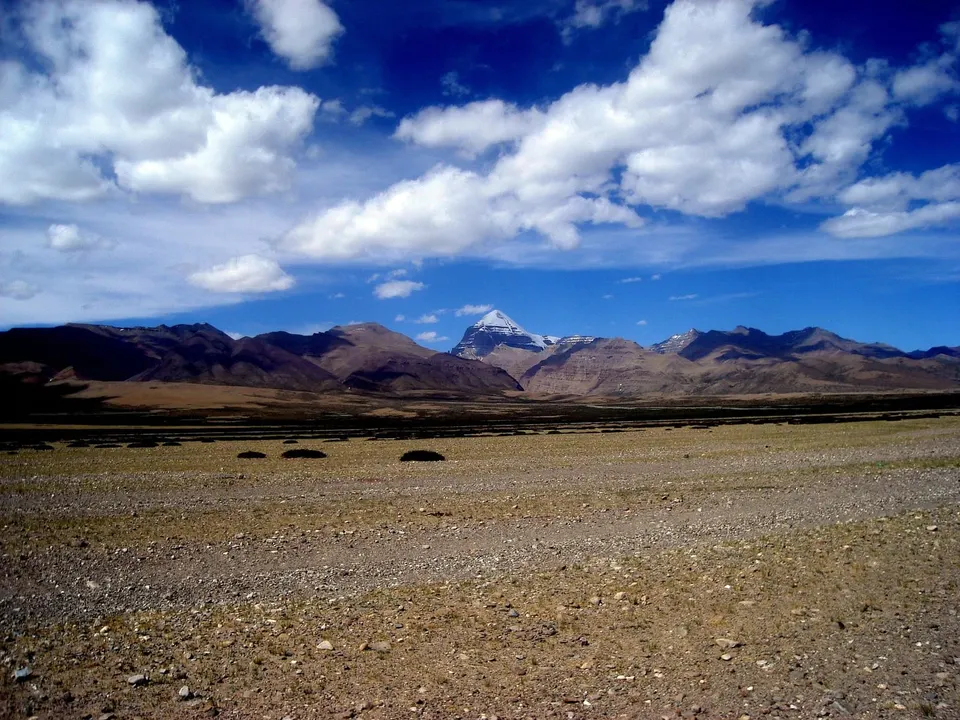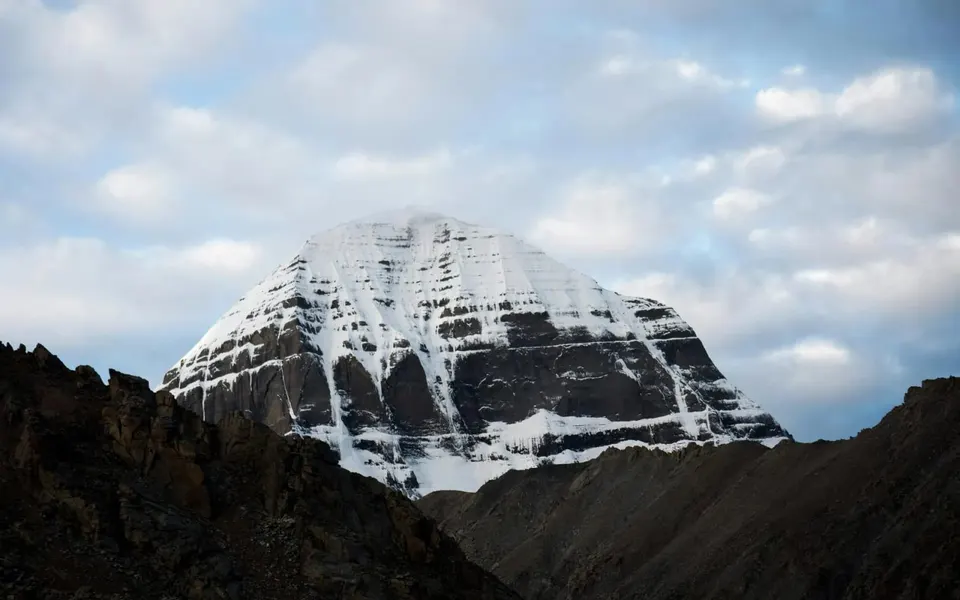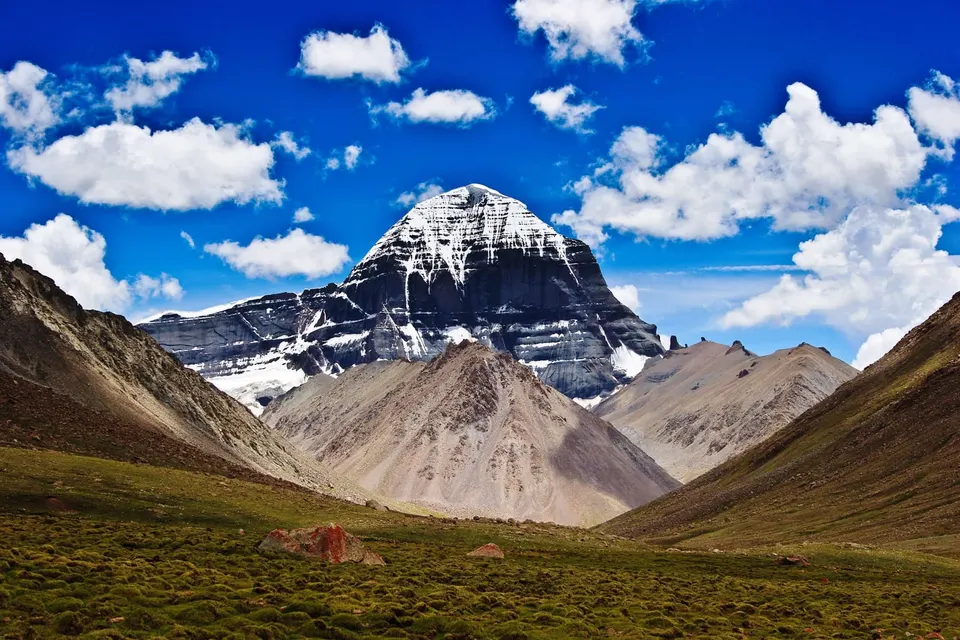
Muktinath Temple, a revered spiritual destination for both Hindus and Buddhists, lies at the base of Khatang Kang (Thorong Peak) in Baraha Gaun, Mustang district, in north-central Nepal.
About this journey
Muktinath Temple, a revered spiritual destination for both Hindus and Buddhists, lies at the base of Khatang Kang (Thorong Peak) in Baraha Gaun, Mustang district, in north-central Nepal. Located approximately 110 kilometers from Pokhara and 20 kilometers northeast of Jomsom, the temple is perched at an elevation of about 3,800 meters above sea level. This sacred site is a gateway to Mustang and is situated along the renowned Annapurna Circuit Trek route, making it both a spiritual and scenic retreat. The temple’s unique pagoda-style architecture represents the religious harmony between Hindus and Buddhists. Hindus believe that Lord Vishnu attained salvation here from the curse of Brinda, the wife of Jalandhar, and hence worship him as Muktinath, meaning “Lord of Salvation.” The main shrine houses metal statues of Lord Vishnu, Goddess Laxmi, Saraswati, Janaki, Garuda, Lava-Kush, and the Sapta Rishis. Meanwhile, Buddhists revere the deity as Avalokiteshvara and recognize Muktinath as a place of deep spiritual significance. The temple’s heritage and rituals are maintained by Buddhist nuns, highlighting the site’s cultural symbiosis.
Muktinath-Chumig Gyatsa holds historical and spiritual importance, with its foundation linked to the Nepali Queen Subarna Prabha in 1815. The temple is considered one of the eight self-manifested shrines, alongside Srirangam, Sri Mushnam, Tirupati, Naimisaranyam, Thottadri, Pushkaram, and Badrinath. It is also part of the 108 Vaishnava shrines and holds immense significance for Hindu devotees, who often visit after completing the Chardham Yatra in India.
For pilgrims, the journey to Muktinath is not just about the destination but also the rituals performed there. A holy dip in the two sacred ponds, or Kundas, and bathing under the L108 waterspouts, known as “Muktidhara,” is believed to cleanse sins, bring salvation (moksha), and fulfill wishes. The spiritual ambiance, coupled with breathtaking views of the Annapurna range to the south and the Tibetan plateau to the north, provides an unforgettable experience.
The journey to Muktinath, while spiritually rewarding, requires determination and preparation due to the region’s challenging weather conditions and rugged terrain. Travelers need to be physically fit and prepared for potential discomfort, as the journey involves high altitudes and variable climates. However, with the grace of the divine, the journey is considered a blessing.
To reach Muktinath, travelers can take a 20-minute flight from Pokhara to Jomsom, followed by a 1.5-hour jeep ride to the temple. This route not only saves time but also offers stunning aerial views of the Himalayas during the flight. The jeep ride from Jomsom provides an adventurous experience as it traverses the rugged, scenic landscapes of Mustang. For a seamless and memorable journey, it is highly recommended to opt for the flight and jeep combination, ensuring convenience and maximum enjoyment.
Beyond its spiritual significance, the Muktinath tour offers an enriching cultural and natural experience. The Mustang region is renowned for its stark beauty, vibrant culture, and hospitality. Pilgrims and travelers alike will cherish the serene environment, the mesmerizing backdrop of snow-clad peaks, and the unique cultural heritage of the region. Whether you’re seeking spiritual fulfillment, cultural immersion, or an adventurous escape, the Muktinath Tour by Flight and Jeep is an extraordinary journey that leaves a lasting impression. It combines spirituality, breathtaking landscapes, and cultural richness, making it an unforgettable experience for all who undertake it.
The itinerary
- 1Day 1
Arrival in Kathmandu
Arrive in Kathmandu, the capital city of Nepal, and transfer to your hotel for check-in. After a brief rest, take a leisurely evening walk around the bustling Thamel area, where you can explore local markets, restaurants, and cultural sites. Your guide will provide a tour briefing and ensure you are well-prepared for the upcoming journey. Overnight stay at a 3-star hotel in Kathmandu.
- 2Day 2
Kathmandu Sightseeing
After breakfast, embark on a full-day sightseeing tour of Kathmandu’s UNESCO World Heritage Sites. Visit the iconic Swayambhunath Stupa (Monkey Temple), a revered Buddhist site with panoramic views of the city. Then, head to the historic Pashupatinath Temple, dedicated to Lord Shiva, and explore Boudhanath Stupa, a major pilgrimage site for Buddhists. Continue to Patan Durbar Square to admire its ancient architecture and rich culture. In the evening, enjoy a traditional Nepali dinner at a local restaurant. Overnight stay in Kathmandu.
- 3Day 3
Fly from Kathmandu to Pokhara
After breakfast, take a scenic 25-minute flight from Kathmandu to Pokhara, known for its stunning natural beauty and tranquil atmosphere. Upon arrival, transfer to your hotel for check-in. Spend the day relaxing and exploring Pokhara’s attractions, such as the serene Phewa Lake, the vibrant Lakeside area, and the impressive World Peace Pagoda. Enjoy an evening stroll by the lakeside and savor the breathtaking views of the Annapurna Range. Overnight stay in Pokhara.
- 4Day 4
Fly from Pokhara to Jomsom and Jeep Ride to Muktinath
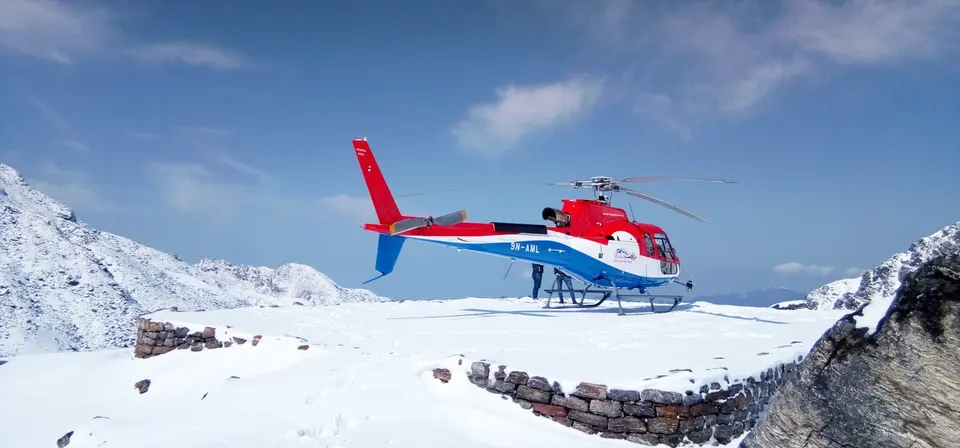
Early in the morning, take a thrilling 20-minute flight from Pokhara to Jomsom, offering spectacular views of the Annapurna and Dhaulagiri mountain ranges. Upon arrival in Jomsom, board a jeep for a 1.5-hour ride through the rugged terrain to Muktinath, passing through traditional villages, barren landscapes, and scenic valleys. The journey offers a glimpse of the unique culture and lifestyle of the Mustang region. After reaching Muktinath, check into your accommodation and rest for the day. Overnight stay in Muktinath.
- 5Day 5
Muktinath Temple Visit and Rituals
Start the day with a visit to the sacred Muktinath Temple, one of the holiest pilgrimage sites for both Hindus and Buddhists. The temple is dedicated to Lord Vishnu, known as the “Lord of Salvation,” and is revered for its religious significance. Perform the holy rituals, including a dip in the Muktinath Kunda and a bath beneath the 108 waterspouts of Muktidhara, believed to bring liberation (moksha). Explore the surrounding area, which includes monasteries, stupas, and the beautiful landscape of the Mustang region. Afterward, return to your accommodation and relax. Overnight stay in Muktinath.
- 6Day 6
Jeep Ride from Muktinath to Jomsom
After breakfast, take a jeep ride back from Muktinath to Jomsom, enjoying the stunning landscapes along the way. Upon reaching Jomsom, you will have the rest of the day free to explore the local area or relax. You can visit the Jomsom Bazaar, known for its apple orchards and traditional Mustang culture. Alternatively, you can take a short hike in the area or enjoy the serene views of the surrounding mountains. In the evening, board a flight back to Pokhara. Overnight stay in Pokhara.
- 7Day 7
Return to Kathmandu
After breakfast, take a morning flight from Pokhara back to Kathmandu. Upon arrival, you will have the rest of the day to shop for souvenirs or explore any remaining sites you wish to visit. If time permits, visit the famous Garden of Dreams or enjoy a relaxing spa treatment. In the evening, enjoy a farewell dinner at a local restaurant, reflecting on the highlights of your journey. Finally, transfer to the airport for your departure or overnight stay in Kathmandu, depending on your flight schedule.
Pictures


Practical information
- Accommodation: In Kathmandu and Pokhara, you will stay in 3-star hotels, offering comfort and convenience. For the journey to Muktinath, basic teahouse accommodations are provided along the route, where rooms are simple, usually with twin beds and shared bathrooms. - Meals: Meals will be served throughout the trip, with a focus on hearty, nutritious options such as rice, dal (lentils), vegetables, and meat (at lower altitudes). As you ascend towards Muktinath, the menu may become simpler due to fewer resources available in the higher regions. - Travel Permits: For the Muktinath tour, you will need to carry the Annapurna Conservation Area Permit (ACAP) and the Trekkers’ Information Management System (TIMS) card, which are required to enter the area. - Health and Safety: Due to Muktinath’s high altitude (approximately 3,710 meters), altitude sickness is a possibility. It is essential to stay hydrated, take frequent breaks, and walk at a comfortable pace. Listen to your body and rest when needed to prevent any health issues. - Best Time to Visit: The best time to visit Muktinath is from March to May and September to November. During these months, the weather is typically clear, and the temperatures are moderate, providing ideal trekking conditions.
Equipment and packing guidance
Clothing: - Warm jacket (down jacket or fleece recommended) - Waterproof jacket and pants - Comfortable trekking shoes/boots - Woolen socks (multiple pairs) - Lightweight clothing for warmer weather (for Pokhara and Kathmandu) - Hat, scarf, and gloves for cold weather in Muktinath - Sun hat or cap - Sunglasses (UV-protected) - Comfortable and lightweight clothes for relaxation Trekking Gear: - Daypack (for carrying essentials during the day) - Sleeping bag (if required, available for rent) - Water bottle or hydration system (for staying hydrated) - Trekking poles (optional but helpful) - Travel pillow (optional for comfort) - Headlamp/flashlight (with extra batteries) - Personal toiletries (toothbrush, toothpaste, wet wipes, etc.) - Towel (quick-dry) - Sunscreen and lip balm (with high SPF) - Personal medical kit (pain relievers, antiseptic cream, etc.) Electronics: - Camera and memory cards (note: some areas may have restrictions on photography) - Power bank (for charging devices during travel) - Mobile phone with a local SIM card for communication - Adapters and chargers (Nepal uses 220V, Type C, and Type D plug) Miscellaneous: - Passport and visa (necessary for entry into Nepal) - Travel insurance (must cover high-altitude trekking and evacuation) - Personal identification (for the check-in process and permits) - Cash (Nepali Rupees for personal expenses) - Snacks (energy bars, nuts, or dried fruit for trekking) - Guidebook, journal, or notebook (optional for documentation) - Maps of the region (optional but useful for personal reference)
Is the Muktinath Tour suitable for beginners?
Yes, the Muktinath Tour is suitable for most travelers, including beginners, as long as you have basic fitness. The journey involves short hikes and jeep rides, and the altitude gain is gradual, with proper acclimatization and guidance.
How difficult is the Muktinath Tour?
The tour itself is moderate in difficulty. The jeep ride to Muktinath is bumpy and may take a few hours. However, trekking at high altitudes can be challenging, and it’s important to take it slow and listen to your body. Altitude sickness can be an issue, so acclimatization is important.
What is the altitude of Muktinath?
Muktinath Temple is situated at an altitude of about 3,710 meters (12,170 feet) above sea level, so be prepared for high-altitude conditions.
How do I prepare for the Muktinath Tour?
Physical fitness is important, especially if you’re planning to do some trekking. Regular cardio exercises, strength training, and hiking at higher altitudes can help prepare you. You should also ensure you have appropriate clothing and gear for the colder weather.
What are the accommodation and food facilities on the tour?
In Kathmandu and Pokhara, you will stay in 3-star hotels. During the trip to Muktinath, basic teahouse accommodations are available with simple rooms. Meals will include typical Nepali dishes such as dal bhat (lentils and rice), vegetables, and meat (in lower altitudes). The menu may become simpler as you ascend.
Package details supplied by World Trade Travel & Tours Pvt. Ltd..
Cancellation, altitude & safety policies