Skip to content
Discover NepalPrivate Himalayan journeys
Get a proposal
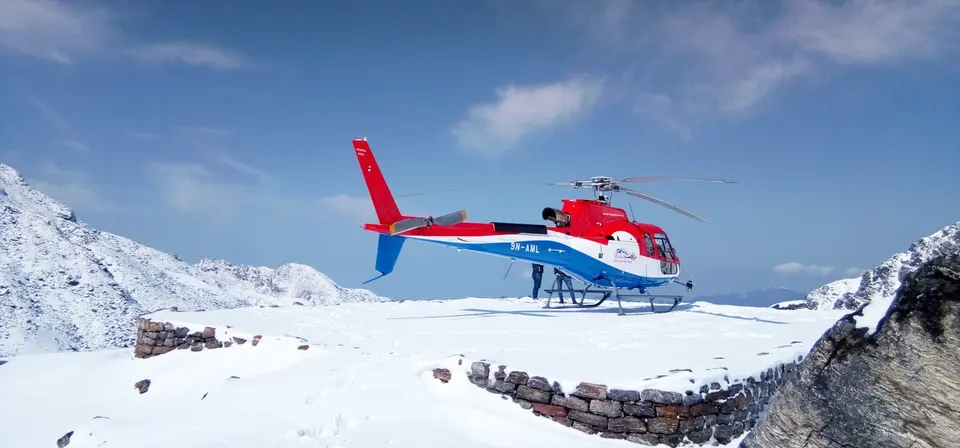
Upper Mustang Trek hero image
All journeys
Trek
Mustang Region · 16 Days/15 Nights

Upper Mustang Trek

The Upper Mustang Trek is an extraordinary adventure that takes you into the heart of the “Last Forbidden Kingdom,” a remote and mystical region nestled in the rain-shadow of the Annapurna and Dhaulagiri mountain ranges.

ModeratePace
Spring (March–May), Autumn (September–November)Best time
Teahouse/lodgesAccommodation
3,840 mMaximum elevation
Kathmandu-KathmanduStarts / ends

About this journey

The Upper Mustang Trek is an extraordinary adventure that takes you into the heart of the “Last Forbidden Kingdom,” a remote and mystical region nestled in the rain-shadow of the Annapurna and Dhaulagiri mountain ranges. Situated in the northernmost part of Nepal, the Upper Mustang is a region of immense cultural significance, offering a unique window into Tibetan Buddhism, ancient monasteries, and a landscape like no other. Until 1992, this area was restricted to foreign visitors, which has allowed it to retain its traditional lifestyle and culture largely untouched by the modern world. For travelers seeking a truly off-the-beaten-path trekking experience, the Upper Mustang Trek offers an unforgettable journey through arid deserts, colorful rock formations, medieval villages, and spiritual monuments. The trek starts in the bustling city of Pokhara, from where you will take a scenic flight to Jomsom, the gateway to Upper Mustang. The moment you step off the plane in Jomsom, you are welcomed by the sight of the rugged Himalayas and the dramatic landscape of the Mustang region. The trek itself traverses an ancient trade route that once linked Nepal with Tibet, and it provides an opportunity to immerse yourself in the unique Tibetan-influenced culture of the region. The inhabitants of Upper Mustang are predominantly ethnic Tibetans, and their lifestyle, language, and religion closely mirror those of Tibet. The majority of the population follows Tibetan Buddhism, and throughout the trek, you will encounter ancient monasteries, chortens, prayer flags, and prayer wheels that adorn the villages and mountain passes.

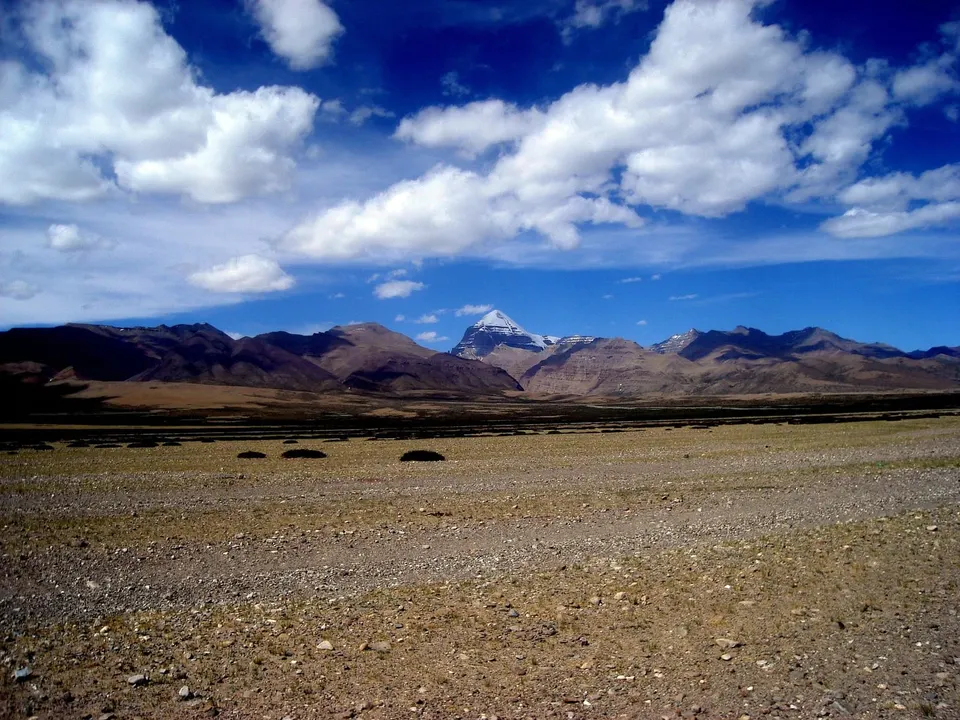
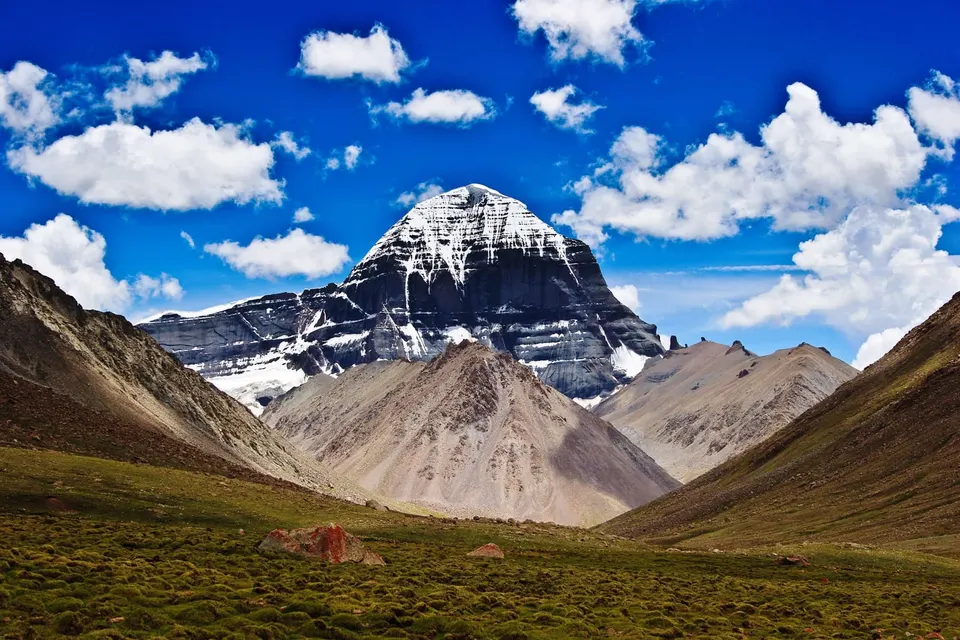
The terrain of Upper Mustang is equally captivating, characterized by vast desert-like expanses, deep canyons, and towering cliffs. The region’s unique topography is a result of its location in the rain-shadow of the Annapurna and Dhaulagiri mountains, which protects it from the monsoon rains and gives the area its arid, otherworldly feel. As you trek through this barren landscape, you will be mesmerized by the striking color contrasts – from the pale yellow and brown hues of the arid plains to the vibrant red and orange of the cliffs, the Upper Mustang is a photographer’s paradise. The trek offers fantastic opportunities to capture the beauty of this remote kingdom, with its stunning natural vistas and traditional Tibetan villages.

One of the highlights of the Upper Mustang Trek is the journey through its ancient walled city, Lo Manthang. Lo Manthang, the capital of the Mustang Kingdom, is a medieval-style village that has remained largely unchanged for centuries. Its unique architecture, with stone-built houses and narrow alleyways, gives you a glimpse into the past and offers a rare opportunity to witness the untouched heritage of this remote kingdom. The village is home to the King of Mustang and several important monasteries, including the impressive Thubchen Monastery and Chodey Monastery. Visiting these sacred sites offers a chance to learn about the region’s history, its people’s spiritual practices, and their close connection to Tibetan Buddhism.

The trek also provides ample opportunities to explore the region’s rich cultural heritage. Throughout the journey, you will pass through small, remote villages such as Kagbeni, Chele, and Tsarang, where traditional Tibetan culture is still very much alive. The locals, who primarily speak Tibetan, practice subsistence farming and animal husbandry, and their lifestyle remains largely unchanged from centuries past. As you trek through these villages, you will experience warm hospitality and gain insight into the simple yet fulfilling life of the Mustang people. Many of the villages also feature ancient monasteries and chortens, offering glimpses into the religious and spiritual practices of the region.

A key feature of the Upper Mustang Trek is its altitude. While it is not as high as some of Nepal’s more famous treks, it still requires acclimatization due to the high-altitude terrain. As you progress through the trek, you will reach altitudes of up to 4,000 meters, with the highest point being the famous pass of Thorong La (5,416 meters) on the Annapurna Circuit, which is often included in the extended Upper Mustang Trek. To help mitigate the effects of altitude, the itinerary includes ample time for acclimatization, ensuring that trekkers can adjust to the elevation gradually.

The trek takes you through various climatic zones, starting from the lush green valleys and forests of the lower regions and progressing to the dry, windswept highlands as you approach Lo Manthang. The transition in climate and landscape is one of the most fascinating aspects of the trek, offering trekkers the chance to witness an incredible diversity of flora and fauna along the way. While the region’s arid environment may seem harsh, it is home to a variety of wildlife, including blue sheep, Himalayan tahr, and the elusive snow leopard, though sightings are rare.

The Upper Mustang Trek is an ideal journey for those looking to experience a remote and culturally rich part of Nepal, far from the crowds that populate the more popular trekking routes. It is a trek that allows you to discover the ancient traditions of the Tibetan Buddhist culture, while also offering breathtaking views of the Himalayas and a chance to explore one of Nepal’s last hidden kingdoms. The combination of stunning landscapes, fascinating history, and a truly unique cultural experience makes the Upper Mustang Trek a once-in-a-lifetime adventure that will leave you with unforgettable memories. For those seeking adventure, spirituality, and an opportunity to experience an untouched slice of Nepal, the Upper Mustang Trek is a journey like no other. Whether you are an experienced trekker or a first-time adventurer, this trek offers a captivating and rewarding experience, making it a perfect addition to your travel itinerary with World Trade Travel & Tours Pvt. Ltd.

Trip highlights
Scenic flights between Pokhara and Jomsom.
Exploring the ancient walled city of Lo Manthang.
Visiting centuries-old monasteries, caves, and palaces.
Trekking through arid, picturesque landscapes with striking rock formations.
Immersing yourself in traditional Tibetan culture and heritage.
Crossing high mountain passes with panoramic views of Himalayan peaks.
Know before you trek
Difficulty
Moderate

The itinerary

  1. 1
    Day 1

    Arrival in Kathmandu (1,350m)

    Upon your arrival at Tribhuvan International Airport in Kathmandu, you will be greeted by our representative who will assist you with your transfer to the hotel. After check-in, you will have a brief meeting where the trek details will be outlined and any final preparations will be made. If time permits, you will have the opportunity to explore Kathmandu’s cultural sites, including the famous Swayambhunath (Monkey Temple) and the historical Durbar Square, both offering a glimpse into Nepal’s rich history and vibrant culture. This day serves as an introduction to the diverse experiences awaiting you on your trek.

  2. 2
    Day 2

    Fly to Pokhara (820m) – 25 minutes

    After breakfast, you will take a short but scenic flight to Pokhara, one of Nepal’s most picturesque cities, known for its serene Phewa Lake and stunning views of the surrounding Himalayan peaks. Upon arrival, you will transfer to your hotel and have the rest of the day to explore the tranquil beauty of the area. You can visit local attractions such as the Peace Pagoda, Devi’s Fall, or the International Mountain Museum, all of which offer insights into Nepal’s natural beauty and mountaineering history. This day is meant for relaxation and preparation for the upcoming trekking days.

  3. 3
    Day 3

    Fly to Jomsom (2,720m) and Trek to Kagbeni (2,810m) – 3-4 hours

    Today, you will board an early morning flight to Jomsom, the gateway to Upper Mustang, which takes you over the rugged mountains of the region. Upon arrival in Jomsom, you will begin your trek to Kagbeni, a historic village at the entrance to the Mustang region. The trek follows the Kali Gandaki River and offers breathtaking views of the Nilgiri and Dhaulagiri peaks. Once in Kagbeni, you will have time to visit the Kagbeni Monastery and explore the narrow alleys of this ancient village, known for its Tibetan-influenced culture and architecture.

  4. 4
    Day 4

    Trek to Chele (3,050m) – 5-6 hours

    Your trek continues as you ascend through barren landscapes, trekking along the Kali Gandaki River. As you move forward, you will cross suspension bridges and pass through small settlements, enjoying panoramic views of the Kali Gandaki Gorge, the world’s deepest gorge. The journey takes you to the village of Chele, where you can relax and enjoy the serene atmosphere of this Tibetan-style settlement. This stretch of the trek offers a taste of the remote lifestyle of the Upper Mustang region.

  5. 5
    Day 5

    Trek to Syanbochen (3,475m) – 6-7 hours

    On this day, you will continue trekking through the rugged terrain of Upper Mustang, passing caves and ancient chortens (Tibetan prayer stones). The trail offers steep ascents and descents, but the effort is rewarded with incredible views of the Mustang region. After several hours of trekking, you will reach Syanbochen, a small village where you will stay overnight in a teahouse. The panoramic vistas and peaceful surroundings make this a perfect place to rest and take in the beauty of the high-altitude desert.

  6. 6
    Day 6

    Trek to Ghami (3,520m) – 5-6 hours

    Today’s trek takes you over the Yamda La Pass (3,850m), a high-altitude pass that provides stunning views of the surrounding peaks. The trail continues through picturesque villages, with traditional Tibetan-style houses and terraced barley fields, typical of the Mustang region. You will also pass by mani walls, which are intricately carved stone walls inscribed with prayers. By the end of the day, you will reach Ghami, a small but charming village where you will spend the night.

  7. 7
    Day 7

    Trek to Charang (3,560m) – 5-6 hours

    Your journey today takes you through scenic routes to the village of Charang. Along the way, you will visit ancient monasteries and stupas that showcase the region’s rich Buddhist heritage. Charang itself is home to a white dzong (fortress) and a red gompa (monastery), both offering insight into the spiritual life of the region. After exploring Charang, you will have time to relax and enjoy the peaceful surroundings of this remote village.

  8. 8
    Day 8

    Trek to Lo Manthang (3,840m) – 5-6 hours

    Today marks one of the most exciting parts of the trek: the journey to Lo Manthang, the ancient walled city and capital of the Mustang region. The trek offers views of several snow-capped peaks, including Nilgiri, Tilicho, and Annapurna I. Upon reaching Lo Manthang, you will enter the city through a narrow gate and explore its fascinating narrow streets and ancient buildings. Lo Manthang is home to several monasteries, palaces, and historical landmarks, making it a highlight of your trek.

  9. 9
    Day 9

    Explore Lo Manthang

    You will spend the entire day exploring the fascinating city of Lo Manthang. Visit the King’s Palace, which offers a glimpse into the royal history of Mustang, and the surrounding gompas (monasteries), including Thubchen Gompa, Jampa Gompa, and Chodey Gompa. These religious sites offer a deep understanding of Tibetan Buddhism and the spiritual traditions of the region. Additionally, you will have the chance to interact with the local Mustang people and learn about their unique culture, lifestyle, and history.

  10. 10
    Day 10

    Trek to Drakmar (3,810m) – 6-7 hours

    Today marks the beginning of your return journey. You will trek to Drakmar, a village known for its striking red cliffs and high-altitude desert landscape. The trail offers beautiful views of the surrounding mountains, and as you continue to ascend and descend, you’ll pass through high-altitude desert terrain. Drakmar offers a peaceful and scenic environment to spend the night in a local teahouse.

  11. 11
    Day 11

    Trek to Ghiling (3,806m) – 5-6 hours

    On this day, you will continue descending to Ghiling, passing through the Nyi La Pass (4,010m). The trek offers incredible views of the surrounding landscape, with dramatic contrasts between the barren desert-like environment and lush green valleys. Ghiling is another remote village where you can explore and visit its local monastery, providing insight into the region’s spiritual life.

  12. 12
    Day 12

    Trek to Chhusang (2,980m) – 5-6 hours

    Your trek today takes you back towards Chhusang, with a change in scenery as you pass through the village of Tetang. Following the banks of the Kali Gandaki River, the landscape begins to shift, offering views of the valley below. Chhusang offers a tranquil setting to rest after several days of trekking.

  13. 13
    Day 13

    Trek to Jomsom (2,720m) – 6-7 hours

    On the final day of trekking, you will make your way back to Jomsom. The trail passes through Kagbeni once more, offering stunning views of the Nilgiri and Dhaulagiri peaks. Upon arrival in Jomsom, you will celebrate the successful completion of your trek and enjoy a well-deserved rest after this challenging and rewarding journey.

  14. 14
    Day 14

    Fly to Pokhara

    In the morning, you will take a flight from Jomsom back to Pokhara, where you can relax and enjoy the peaceful atmosphere of the lakeside city. You may choose to explore some of the local sights such as boating on Phewa Lake, visiting the Gupteshwor Cave, or simply enjoying a relaxing spa experience.

  15. 15
    Day 15

    Fly to Kathmandu

    You will take a flight from Pokhara to Kathmandu, where you will have free time to do last-minute shopping or sightseeing. You may visit sites such as the Boudhanath Stupa or Pashupatinath Temple, or explore the bustling Thamel area for souvenirs.

  16. 16
    Day 16

    Departure from Kathmandu

    On the final day of your trip, you will be transferred to Tribhuvan International Airport for your onward journey. As you reflect on your unforgettable journey through the Mustang region, you’ll depart with memories of stunning landscapes, ancient monasteries, and the rich culture of Upper Mustang.

Pictures

Upper Mustang Trek photo 1
Upper Mustang Trek photo 2
Upper Mustang Trek photo 3
Upper Mustang Trek photo 4
Upper Mustang Trek photo 5
Upper Mustang Trek photo 6
What's included
Airport transfers.
Accommodation in Kathmandu and Pokhara with breakfast.
Teahouse accommodation during the trek.
All meals during the trek.
Experienced trekking guide and porter services.
Necessary permits (ACAP, Upper Mustang Restricted Area Permit, TIMS card).
Domestic flights (Kathmandu–Pokhara–Jomsom–Pokhara–Kathmandu).
Comprehensive medical kit.
All government and local taxes.
Not included
International airfare.
Nepal entry visa fees.
Travel insurance (mandatory, including emergency evacuation coverage).
Personal expenses (Wi-Fi, hot showers, charging devices, etc.).
Tips for guides and porters.
Extra nights in Kathmandu due to early arrival, late departure, or early return from the trek.
Services not mentioned in the included section.
Cost clarity
Your proposal is itemised before approval.
Services, permits, guides, stays, transfers and support are confirmed in the trip proposal after your enquiry.
Who leads it
Krishna
Trekking guide · Annapurna

The foothills are gentle, but the hospitality is the real summit.

Practical information

Essential information

Accommodation Along the Upper Mustang Trek, teahouses provide basic yet comfortable accommodation, offering twin beds and shared facilities. These teahouses create a cozy and welcoming environment, serving as a perfect retreat after a day of trekking in the remote landscapes of the Mustang region. The accommodations are simple but offer essential comfort, and staying in these teahouses allows trekkers to interact with the locals and experience the hospitality of the Mustang people. Meals Meals along the Upper Mustang Trek typically consist of hearty, nutritious dishes, including dal bhat (lentils and rice), vegetables, and meat at lower altitudes. As you ascend to higher altitudes, the menu becomes simpler due to limited resources, but it remains sufficient to provide the energy needed for the journey. You can also expect Tibetan-influenced dishes such as thukpa (noodle soup) and momos (dumplings), offering an authentic taste of local cuisine. The focus is on providing nutritious meals to keep you fueled for the challenging terrain. Trekking Permit To trek in Upper Mustang, you must obtain the Upper Mustang Restricted Area Permit, along with the Annapurna Conservation Area Permit (ACAP) and the TIMS (Trekkers’ Information Management System) card. These permits are essential for trekking in the restricted areas of Upper Mustang and ensure that trekkers follow the regulations set by the government. The permits are part of the effort to preserve the region’s unique culture, environment, and biodiversity while maintaining safety for trekkers. Health and Safety As the trek reaches altitudes above 3,000 meters, altitude sickness can be a concern. To minimize this risk, it is important to stay hydrated, pace yourself, and take necessary acclimatization breaks as outlined in the itinerary. The gradual ascent and included rest days help your body adjust to the altitude. Carrying a comprehensive medical kit, taking preventive measures, and being aware of the symptoms of altitude sickness are crucial for your health and safety throughout the trek. Best Time to Trek The ideal time to trek in Upper Mustang is during the spring (March to May) and autumn (September to November) seasons. These months offer stable weather, clear skies, and excellent trekking conditions, allowing you to enjoy stunning views of the surrounding mountains, including the Annapurna and Dhaulagiri ranges. The months of spring and autumn also provide an opportunity to experience the region’s cultural festivals, adding an extra layer of charm to your trekking experience.

Equipment and packing guidance

- Clothing: Layered clothing, including thermal wear, rain jacket, trekking pants, and warm gloves. - Footwear: Comfortable trekking boots, sandals, and socks. - Accessories: Hat, sunglasses, trekking poles, headlamp, and camera. - Essential Items: Sleeping bag, water bottle, sunscreen, and first aid kit.

What is the best time for the Upper Mustang trek?

The best seasons are spring (March–May) and autumn (September–November) for favorable weather and clear mountain views.

Do I need prior trekking experience?

While prior experience is helpful, good physical fitness and stamina are essential for the trek.

Is altitude sickness a concern?

The trek includes gradual ascents and acclimatization to minimize the risk of altitude sickness.

Package details supplied by World Trade Travel & Tours Pvt. Ltd..

Cancellation, altitude & safety policies
Pricing
On request
Request this journey